September 16, 2025 / arnoldtnn / 0 Comments
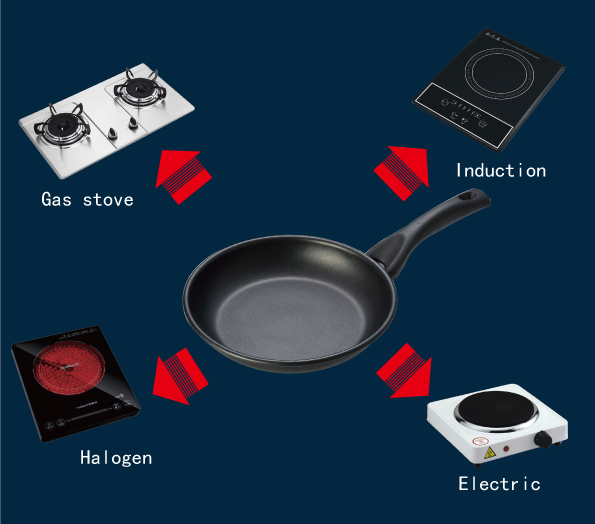
Making dinner with an electromagnet may seem improbable to cooks who have grown up with traditional natural gas and electric cooktops, but in recent year’s induction cooking tops have become increasingly popular. Initially they were mainly used in Asia and Europe, but now they have become more widespread in North American kitchens as well.
Advantages of Induction cooking top surfaces include:
- Safe. When the coil is turned on it generates a magnetic field that will only heat up the cookware. It doesn’t heat up the cooking surface. So unlike electric or halogen cooking tops there is no danger of accidentally burning yourself by touching the surface.
- Efficient and fast. Induction cooking tops bring water to boil faster than gas or electric cooktops, and it’s incredibly energy efficient. In fact, 90% of the energy used is transferred directly to the pan for cooking, versus only about 40% for gas stoves.
- Easier to clean. As mentioned above, because an induction cooking top surface is not magnetic, it stays cool throughout the cooking process – this means that accidental spills aren’t burned on and hard to clean.
One of the many significant benefits of Lotus Rock cookware is that it is induction safe; unlike aluminum or copper pans, which are not permitted for use on on this type of cooking top surface. Aluminum or copper pans can be used on induction if they have a special plated bottom attached to them, but because Lotus Rock pans are produced with a thick 2.0mm carbon steel gauge they are already induction safe and this type of plated bottom is not needed.
The fact that Lotus Rock cookware doesn’t need a plated bottom also has some other advantages. First, by having no steel plate at the bottom of the pan the appearance of Lotus Rock cookware is not impaired; all pans have the same tough, glossy black look on both their interior and exterior. Second, although some aluminum and copper pans may have a plated bottom to make them induction safe, if these are not applied properly then either the pan will make a bothersome noise or they will not conduct heat effectively to the pan’s surface. Lotus Rock’s heavy gauge carbon steel substrate along with its thick ceramic interior and exterior means that on an induction cooking heat is spread evenly and quickly around the surface of the pan for an excellent heating effect.
Lotus Rock pans can be improved for use on induction cooking tops with the addition of the Stable Concave design.
September 14, 2025 / arnoldtnn / 3 Comments
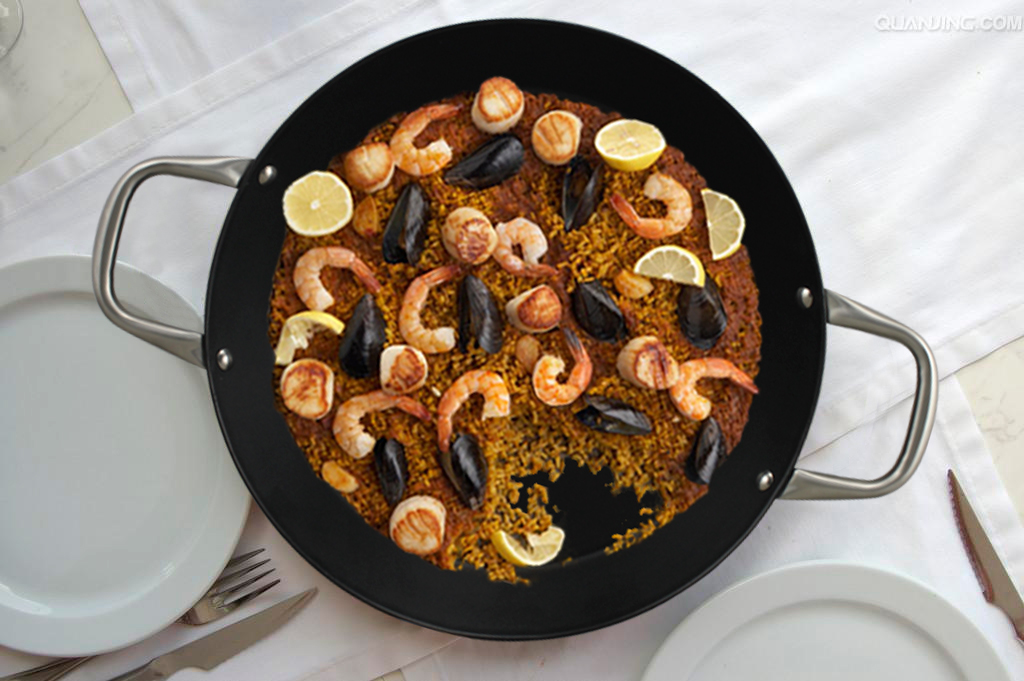 Well-designed paella pans encourage the formation of a light crust of rice on the bottom of the pan. In Spanish this is known as Socarrat which means lightly toasted. This is the most prized part of a Spanish paella and can only be achieved with a paella pan. The secret is to increase the heat during the last 3 minutes or so of cooking. If you listen carefully the rice will begin to crackle slightly. Take the paella off the heat when this happens in case it begins to burn. The objective is to get toasted rice on the base (which has a nutty aroma) rather than burnt rice.
A Lotus Rock paella pan is perfect for achieving Socarrat. This is because without oiling the surface of it rice can stick to the pan and then the delicious, caramelized crust can be formed. Non-stick pans on the other hand are not ideal because they don’t allow rice to stick to the bottom and for Socarrat to form.
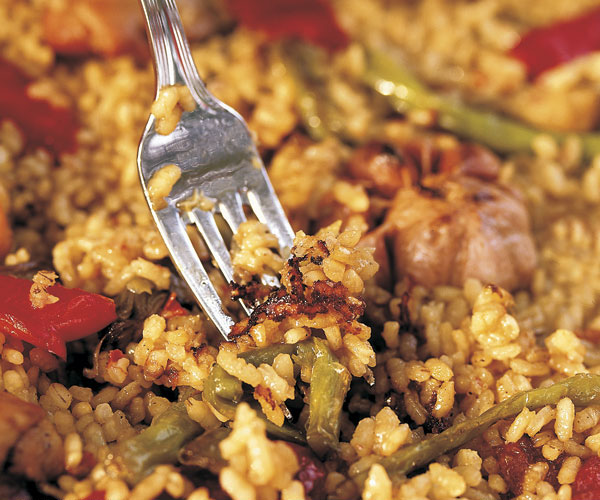 The standard way to check if Socarrat has been formed or not is to insert a fork into the rice, if a slight resistance is felt just before the fork reaches the base of the pan then a layer of Socarrat exists. General non-stick pans might be easily damaged while checking for Socarrat as the sharp edges of a metal fork penetrates the bottom layer of the rice and scratches the coating. However, with a Lotus Rock paella pan this test can be done without fear because the highly durable, thick ceramic coating is metal utensil safe, with excellent scratch resistance.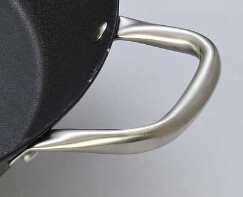
A significant benefit of using dual sided steel handles with the Lotus Rock paella pan is is to increase its versatility: for use not only on the stove, but also for over the grill and in the oven, with an oven-safe temperature to 650 F. Restaurant chefs quick sear ingredients with carbon steel pans to develop a brown crust, and then slide them into the oven to cook through the interior for a moist, juicy finish. With a Lotus Rock paella pan, so can you!
Product Features
- Heavy weight 2.0mm steel gauge transfers and retains heat evenly.
- Thick enamel coating is metal utensil safe.
- Resistant to rust, chipping and cracking, the lipophilic coating only needs cooking oil for non-stick release when the recipe requires it.
- Specially formulated black matte interior has high heat resistance (650 degrees Fahrenheit) and a rougher surface for better browning.
- Smooth base compatible with all cooktops, including induction.
- Double-riveted stainless-steel handles for comfortable grip and long-life durability.
- Ideal shape and size to use as a paella pan, skillet, saute pan and grill pan.
September 9, 2025 / arnoldtnn / 0 Comments

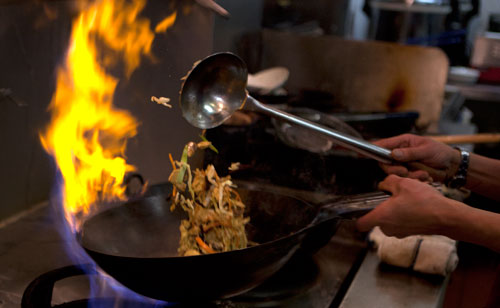
The very best stir-fries will have a hint of what is called Wok Hei, or the “breath of the wok“. This is a complex smoky flavour that is only achieved by cooking fresh ingredients over extreme heat, meaning that the flavour develops while simultaneously retaining the textural crunch. Lotus Rock’s construction and coating configuration is ideally suited for a stir wok to impart the types of flavours and tastes associated with Wok Hei.
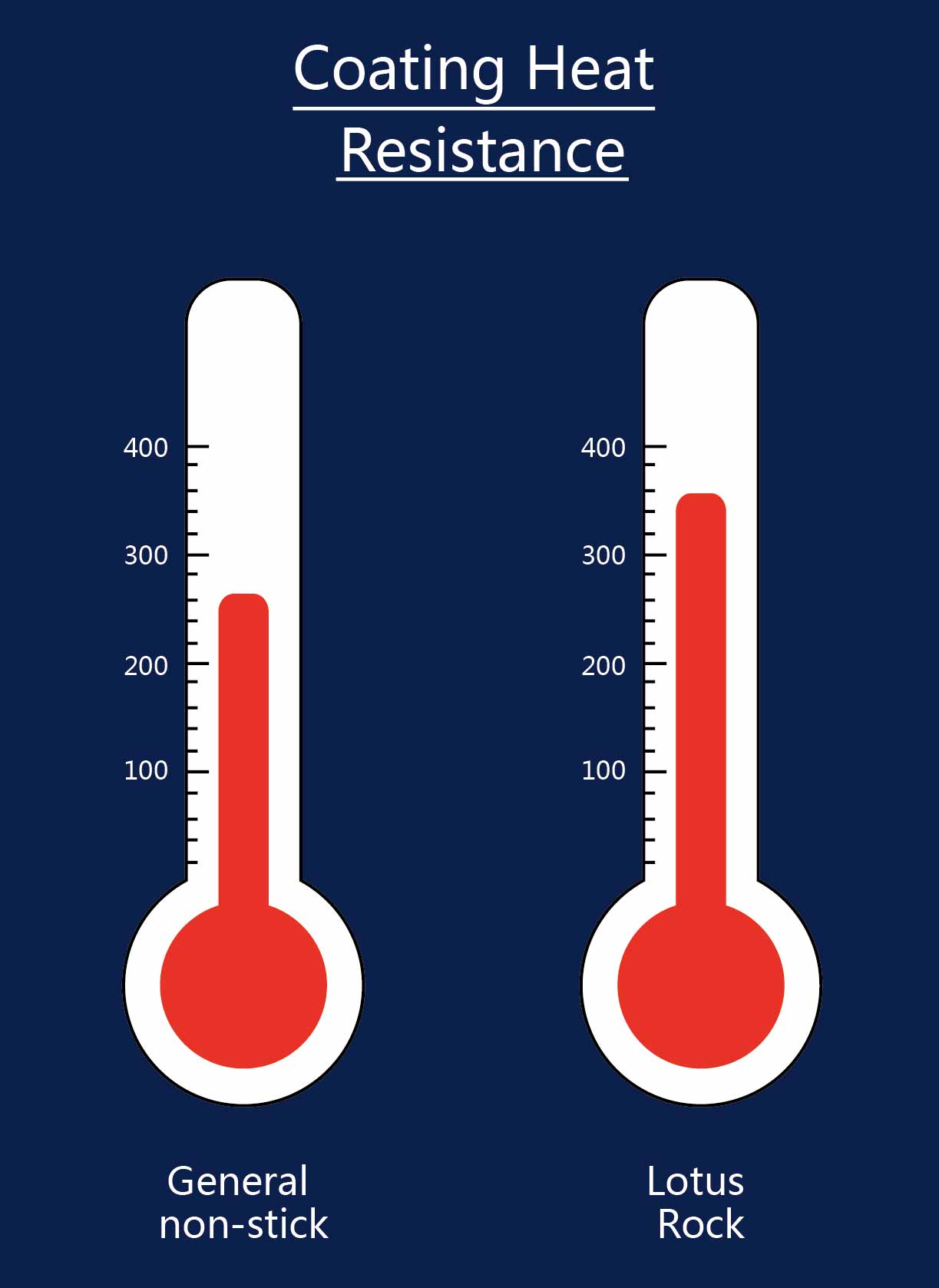
Unlike non-stick coated stir woks, a Lotus Rock stir wok has very high heat resistance (it can reach temperatures of 350 degrees centigrate, in contrast a non-stick coating generally starts to expire around 260 degrees centigrade). For excellent stir frying a wok should be heated gradually so that it reaches a very high temperature just before the oil, raw vegetables and meat are added. It is only with a hot wok that the flavour and tastes of Wok Hei can be imparted on food during stir frying.
Easy and safe handling is essential for proper stir frying, especially when cooking over a very high heat to create the flavours associated with Wok Hei. While a cast iron wok can be cumbersome and difficult to lift, a Lotus Rock wok is thick enough not to warp easily under high heat but is still not so heavy that the wok can be lifted to toss ingredients quickly.
For an excellent stir fry, to impart delicious flavours such as Wok Hei, the wok must maintain a high heat at all times. The various different ingredients for the stir fry, whether it is a protein, vegetable or aromatic should never stream in their own juices, but instead be seared to impart a special caramelized and smoky flavor. In contrast to stainless steel, which takes a long time to heat up and cool down, all Lotus Rock woks are made with heavy gauge carbon steel, which is excellent at absorbing and retaining heat for an all-round excellent, stir-fry Wok Hei effect.